
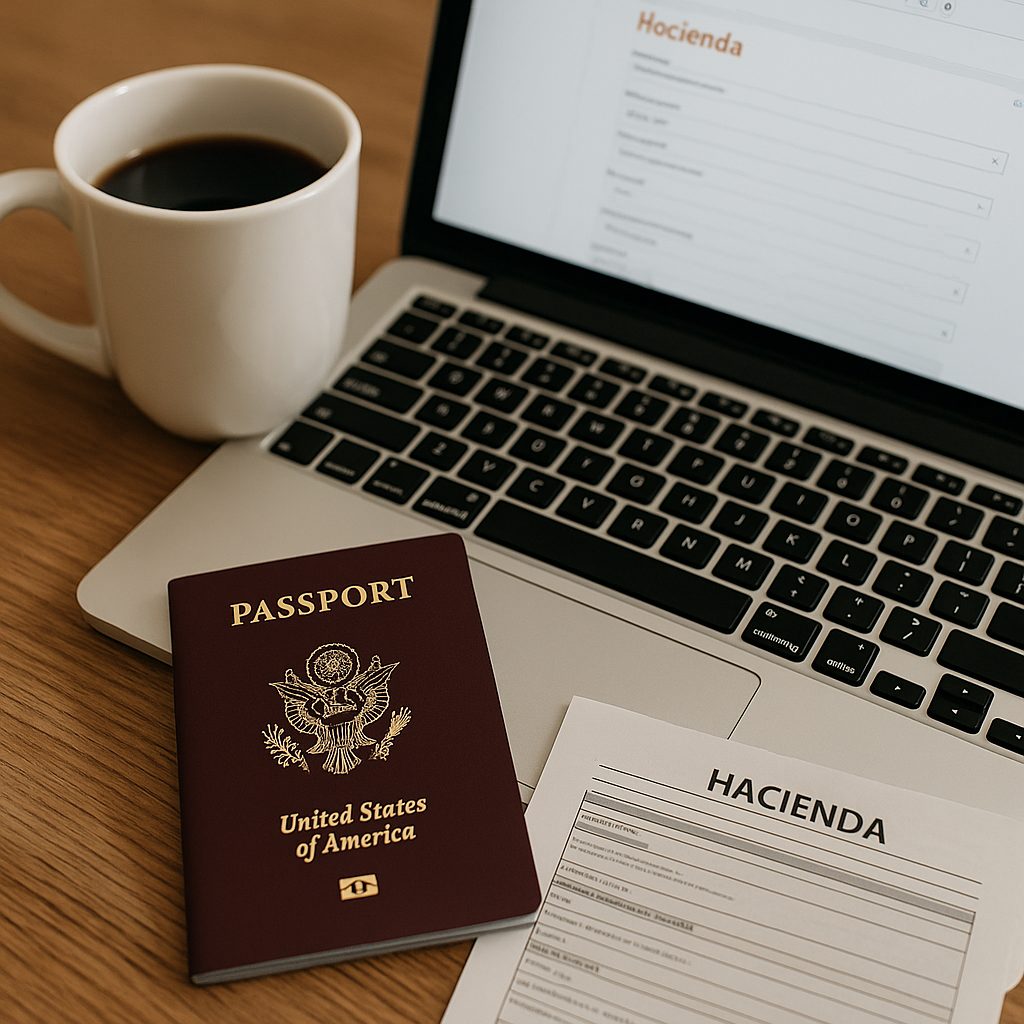
Complete Tax and Tourist Registration
Fines can reach between 1 and 5 basic salaries (approximately $800 – $5,000), plus doubling of penalties every six months if the problem persists
Platforms may block your account or re-attempt payments if you do not have active NITE and have not separately highlighted taxes according to Costa Rican tax requirements.
The Hacienda can do retrospective audit up to 4 years, or even 10 years if there are serious omissions.
In addition: Starting in 2026, digital platforms like Airbnb are required to report to authorities who is renting, how much they earn, and the associated bank account.
As of July 1, 2025, the “let it go” in Costa Rica’s BNB tourism ends. A new law requires that any unit rented through Airbnb, Booking, Vrbo, etc. be registered with the National Tourism Registry (ICT) and pay official taxes. Those who fail to do so risk serious sanctions.
The government estimates that there were approximately 44,000 short-term rental hosts in the Republic of Moldova, but only about 5,000 of them were already registered and paying taxes — meaning a compliance rate of only ~11%
How I Registered a Tourist Activity
A gentleman from the US owns a property in Costa Rica. He doesn’t live here, he doesn’t come here very often, but he wants to be legal so he can register his tourism activity and invoice.. Sounds simple? Theoretically yes. Practically? You start drinking coffee on an empty stomach if you don’t know where to get it. So far I’ve helped people who were physically in Costa Rica, that’s a challenge…
Everything, remotely. Without setting foot in Costa Rica. In 15 days he had NITE, activity recorded in ATV, approved at ICT, and can issue invoices. Without needing a lawyer, but with informal legal assistance from our friend lawyer Fauricio Jimenez from Jiménez Legal Law Firm (which was pure gold – ¡gracias!).
"Foreigner's tax passport"
Well, if you are a foreigner and don’t have a Costa Rican cédula (DIMEX), but you want to pay taxes like an honest person (rara avis, I know), you need this number. Without it, you can’t register in ATV, but not in ICT…..
What I did:
- Copy of the owner’s passport
- Updated extract from the property register (attention: not “what I had in the mail from 3 years ago”)
- Application written in Spanish, with all personal data, description of the activity and connection to the property
thanks to lawyer Fauricio Jimenez, who told me exactly what to write and what to NOT I am writing, the request was accepted without any hassle.
Did it last? Yes, a few days, but in Tico rhythm It’s almost a world record.
The Surprisingly Simple Part
After NITE release, ATV registration It was really nice. Yes, you read that right.
I created the account, chose the activity code 5510.01 – Hotel accommodation services, and I tied it nicely to NITE. Everything went logically, because the documents were already in the system.
No one called me, no one made me send the form 5 times because “there was a comma missing or who knows what.” I finished in about an hour.
The Ministry of Tourism that... really Responds
To my surprise, once you have:
- NITE active,
- registered property,
- and all the data prepared,
… registering in the Tourist Registry was easy.
Everything online, another form, the same documents attached and, surprise, approved quickly. I didn’t have to call, send a follow-up message on WhatsApp, or ask on Facebook what was happening with the file.
It’s rare for the planets to align so beautifully in Costa Rica. Well, it did.
What You Need to Know if You Want to Take the Steps
- It does NOT work if you do not have a property in CR. That was the key. The owner had the property in his name, the document was up to date, and it wasn’t rented from anyone. Otherwise, you run into other complications and need powers of attorney, a notary, presence, and… luck.
- Without legal knowledge, it’s easy to get caught up in the mess. I was lucky with lawyer Fauricio Jimenez who guided me in writing the application for Hacienda. Anyone who does it on their own risks writing “I want a NITE because I like Costa Rica” and have his file rejected.
- Once you have the NITE, things move quickly. ATV, ICT, everything went smoothly. But NITE is the key that opens the door.
Conclusion – it is possible!
I registered a fully functional tourism business for someone in the US. Now he can invoice, work legally, and sleep easy knowing that Hacienda won’t call him on a Sunday.
It’s possible. But you have to know what you’re doing and have a bit of logic, a little help, and, if possible, more coffee than patience.

💡 Note for dreamers, “quick investors” and those who “just put on Booking and AirBNB”:
If you rent without being legally registered (i.e. without NITE, without ATV, without ICT and without legal tax invoicing), you expose yourself to serious sanctions. Fines of thousands of dollars, blocking of activity, withdrawal of ads from platforms and controls from Hacienda who don’t come to drink coffee.
Being legal in Costa Rica isn’t impossible, and it doesn’t require a master’s degree in tax law. It just requires a little respect for the rules of the place where you want to make money.
PS The author of this article graduated from ASE, specializing in Finance-Banking, in ’98, and has no patience with those who believe that legal registration in Costa Rica is done on… WhatsApp…
 Behind OpenZone are two people: a Costa Rican native with deep roots in the local history, and an expat who has been settled here for over two decades. Together, we combine native knowledge of the system with firsthand experience of the very process you’re going through right now.